 CHARTAISCAN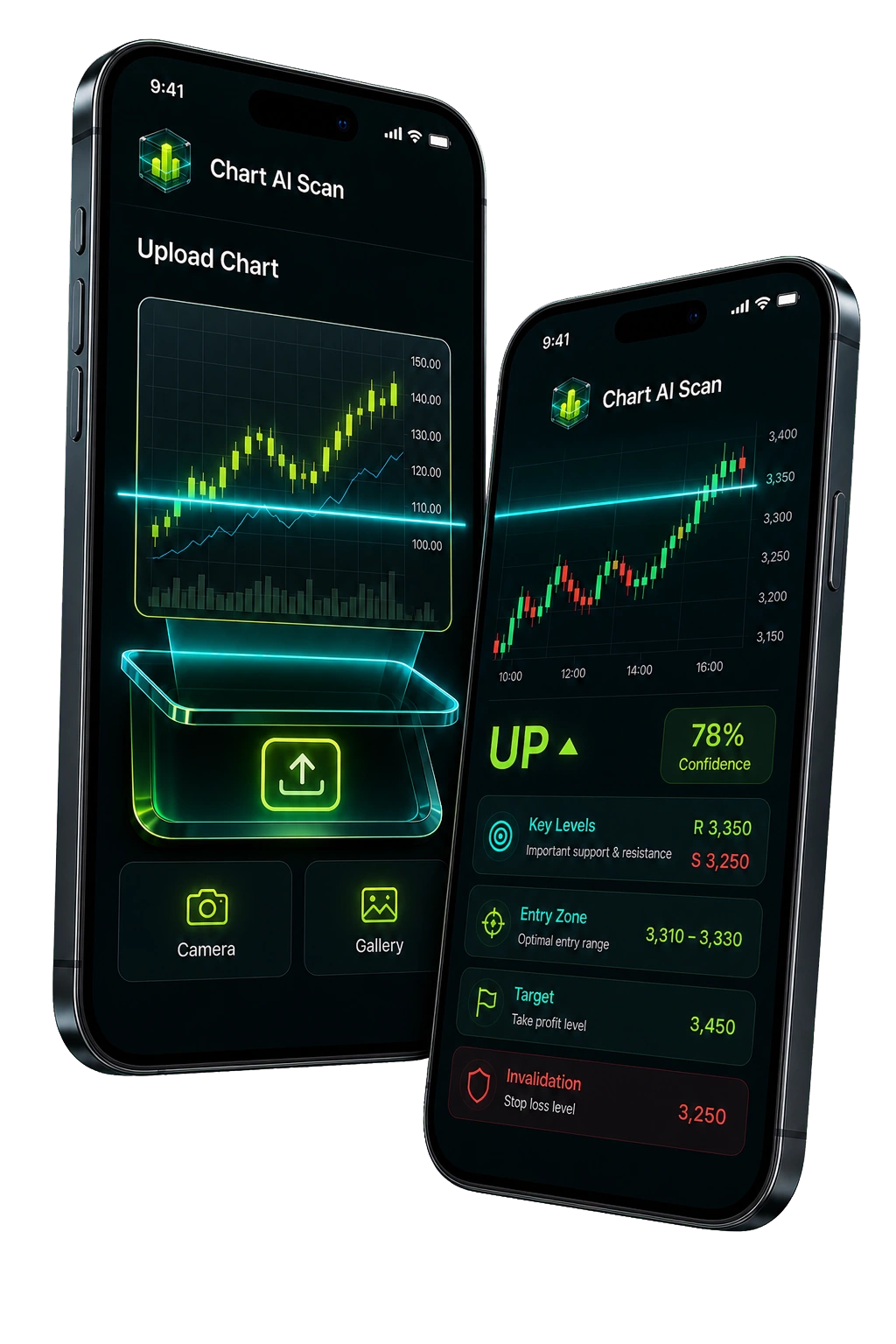
What's moving markets now.
Live feed from MarketWatch, TradingView, and Yahoo Finance. Auto-categorized with market impact analysis.
Get AI chart analysis when these stories move markets.
What moves market prices.
Markets don't move randomly. Four categories of events drive virtually every significant move. Understanding these helps you anticipate — not just react.
Geopolitics
Wars, sanctions, trade conflicts, and elections drive risk-on/risk-off sentiment. Markets spike during uncertainty and conflict escalation — particularly when events threaten global supply chains or energy markets. Safe-haven flows and risk-asset selloffs are the primary mechanisms.
Central Banks
Central bank policy decisions create structural market moves. Since 2022, the Fed's rate trajectory has been the dominant macro driver. Rate cuts weaken the dollar and boost risk assets; rate hikes strengthen the dollar and pressure equities and crypto. FOMC decisions are the single most important recurring event.
Economic Data
US CPI, Non-Farm Payrolls, GDP, and PPI releases move markets by shifting expectations for Fed policy. Hot CPI can pressure equities (higher rates) but may support commodities. Weak jobs data typically boosts risk assets by pricing in rate cuts. The deviation from consensus matters more than the headline number.
Market Sentiment
When equity markets sell off sharply, capital rotates based on risk appetite. The VIX (fear index) is inversely correlated with risk assets. Periods of extreme fear — like March 2020 or the 2023 banking crisis — produce the fastest cross-asset moves. Institutional positioning and options flow provide leading signals.
Scan charts when markets move.
Don't wait to read the news — let AI analyze your charts. ChartAIScan delivers instant pattern detection with annotated support, resistance, and trendline levels the moment you upload a chart.
Market news FAQ
What news moves the markets? +
Markets are most sensitive to US Federal Reserve interest rate decisions, inflation data (CPI, PPI), employment reports (Non-Farm Payrolls), geopolitical conflicts, US dollar strength, and institutional flows. FOMC meetings and surprise CPI prints produce the largest single-day moves.
How quickly do markets react to news? +
Markets react within seconds to major economic data releases and breaking geopolitical events. High-impact news like NFP or CPI can move indices and forex pairs significantly within the first 5 minutes. Geopolitical events tend to produce sustained moves over hours or days.
Where can I get real-time market news? +
ChartAIScan delivers AI-powered chart analysis to interpret market moves. For raw news, traders use MarketWatch, Bloomberg, TradingView, and Yahoo Finance. The key is understanding whether news is bullish or bearish for your positions — which is what our analysis provides.
Should I trade during news events? +
Trading during high-impact news carries elevated risk due to volatility spikes, widened spreads, and slippage. Many experienced traders wait 5–15 minutes after a release for the reaction to settle, then trade the follow-through. ChartAIScan analysis identifies key technical levels to watch around events.
Analyze the news smarter.
Upload charts and get instant AI-powered pattern detection with actionable levels. Start free.